

High-protein recipes
High-protein Indian recipes
The dishes the channel labels high-protein, newest first, with the arithmetic of an Indian protein day underneath them.
Every dish below was published with “high protein” in its own title. That is the only test used — no dish has been re-labelled here, and none is called high-protein because a phrase turned up in a hashtag.
Protein is the change that makes an ordinary day easier to hold, because it is what keeps you full between meals. It is also the number Indian home cooking most often misses: a plate lands around 20 g a meal when nobody is paying attention, and 30 to 40 g is reachable with the dal, curd, paneer, eggs, soya, fish or chicken that is already in the kitchen.
8 dishes
Every dish published with this label
Newest first. The play button starts the video here; the dish's name opens its own page, where the description published with it is.
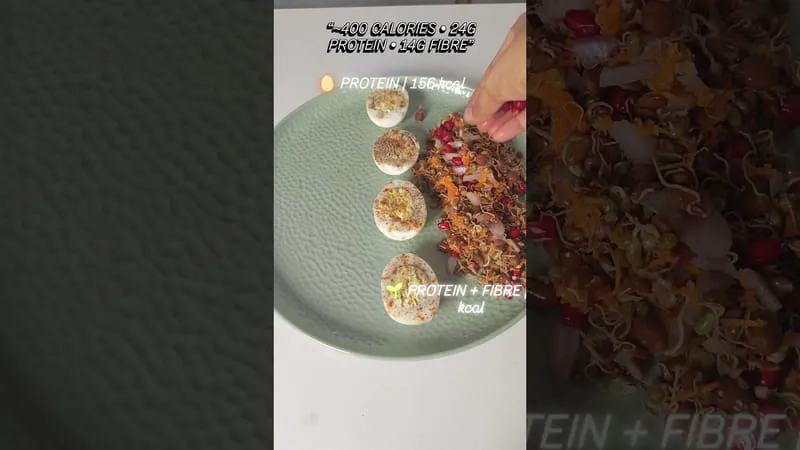
400 Calorie Breakfast That Keeps You FULL! 🍳🌱🍎 | High Protein Breakfast
Looking for a filling breakfast under 400 calories? 👀
High Protein Pineapple Prawns Fried Rice
Healthy Pineapple Prawns Fried Rice 🍍🍤 This easy Pineapple Prawns Fried Rice is high in protein, packed with colourful veggies, juicy pineapple, and glazed prawns. Perfect for a…
High Protein Soya Oats Cheela Recipe.breakfast in 20min.kids approved
Looking for a healthy, high-protein breakfast that's tasty, easy, and kid-approved? 💪🥞
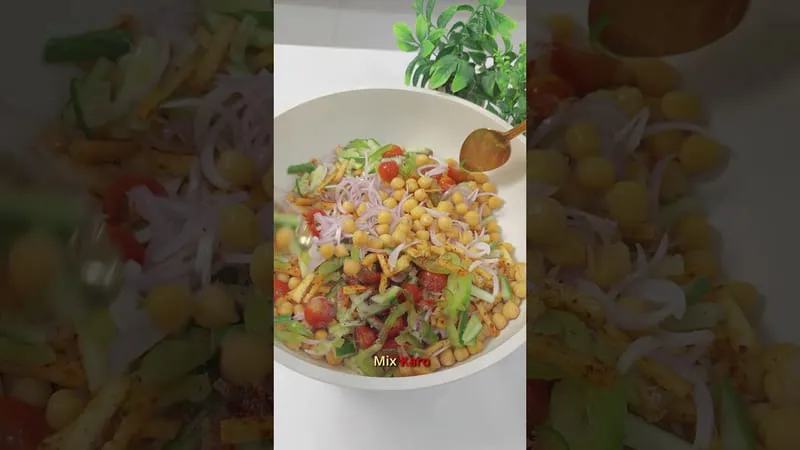
Lose Weight with This Healthy Chana Chaat | High Protein Evening Snack
Looking for a healthy, filling, and delicious snack?
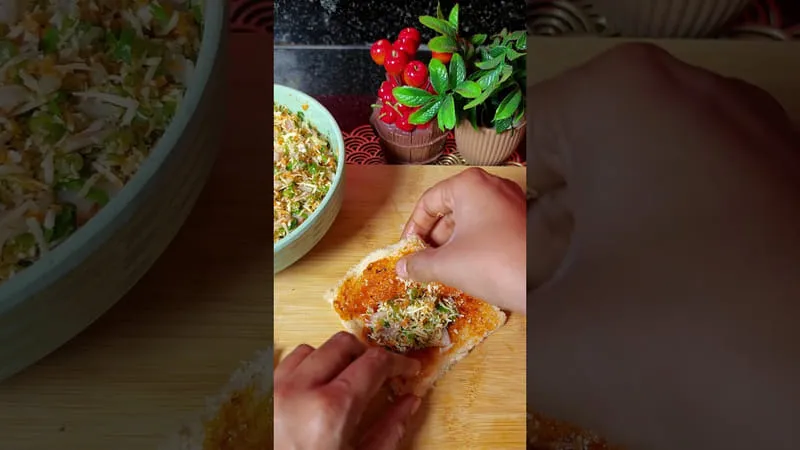
Crispy Paneer Pocket 😍 | 10-Min High Protein Snack
Looking for a quick, healthy, and delicious snack? 🤤
Curd Oats Recipe for Weight Loss | 5-Minute High Protein Breakfast
Healthy Curd Oats Recipe for Weight Loss | 5-Minute High Protein Breakfast 🥣
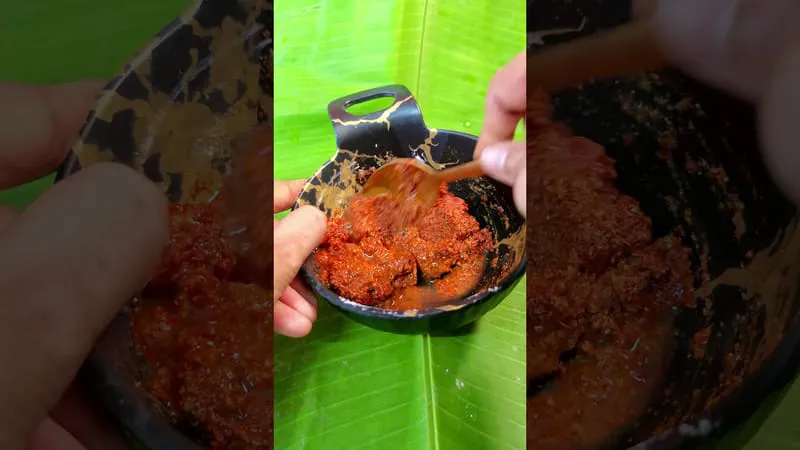
High Protein Bangda Banana Leaf Fry 🔥 | Healthy Fish
Enjoy this delicious High Protein Bangda (Indian Mackerel) Banana Leaf Fry packed with flavor and nutrition! 🐟🍃 This healthy fish recipe is perfect for weight loss, muscle…
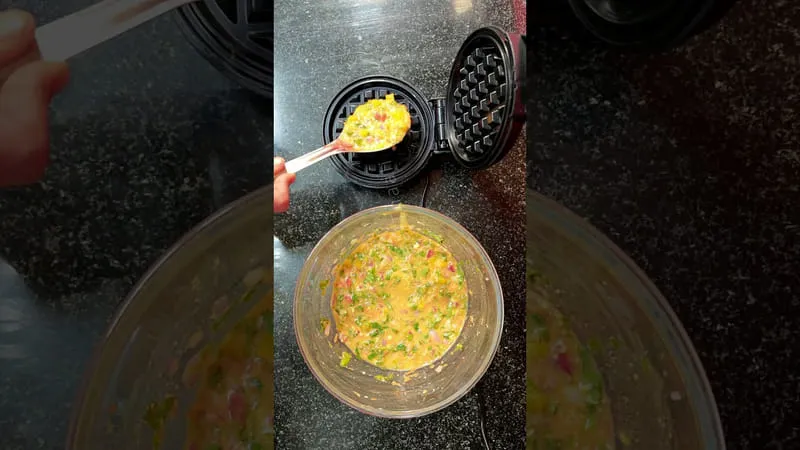
High Protein Egg Waffle 🧇 | Zero Oil Breakfast | Healthy & Weight Loss
Looking for a healthy, zero oil, high protein breakfast? 🧇💪 Try this super easy Egg Waffle recipe made without oil! Perfect for weight loss, muscle gain, and clean eating…
10 posts
The writing behind the recipes
Longer pieces on the same subject, from the blog — the numbers, the technique and the parts that are easy to get wrong.
The banana leaf fish fry: bangda, and the case for more fish in the week
Indian mackerel wrapped in a banana leaf and cooked with a fraction of the oil a fry usually takes — what one portion carries, the plate it lands on, and what we are not claiming.
A breakfast that holds until lunch: the 400-calorie plate, and the oil breakfast hides
Two filmed breakfasts and the arithmetic they share: what makes a first meal last until one o'clock, where the oil at breakfast quietly goes, and what a light breakfast costs.
The 5 pm problem: high-protein Indian snacks that are not a packet
The hour that undoes more good days than dinner ever does — what to keep ready instead, with the protein in each one and how long it takes to get to the plate.
Paneer, eggs, dal or soya: which one should you lean on?
The four proteins an Indian kitchen already has, compared by the serving you actually eat — what each one carries, what it costs you in effort, and how to choose.
High-protein meals you can actually cook in fifteen minutes
The five things worth keeping in the kitchen, three shapes that cover most weeknights, and two filmed meals that go from fridge to plate in under fifteen minutes.
How to build a balanced thaali you will actually eat again tomorrow
Four jobs a plate has to do, how to judge the portions with your hands instead of a scale, and a worked 490-calorie lunch that carries about 40 grams of protein.
How much protein do you actually need on an Indian diet
A practical way to work out your own protein target — and what that looks like on a normal plate of dal, curd, roti and rice, with the honest ranges rather than a single number.
Soya chunks: the cheapest protein in the kitchen, and how to cook them so you eat them
About 52 g of protein per 100 g dry, for a fraction of what paneer costs. Why they taste of nothing, the squeeze everyone skips, and the honest version of the rumour that keeps people away.
How much protein is really in dal, and what the katori does not tell you
Toor, moong, chana and rajma in the portion you actually serve — plus why dal and roti together are worth more than either one alone, and when pulses stop being enough.
Breakfast in India: where the day's protein usually goes missing
Poha, upma, two idlis and a paratha each carry four to seven grams, which is less than most people assume. Why the first meal decides the rest of the day, and three real breakfasts that fix it.
The numbers
What “high protein” adds up to
Soya chunks carry around 15 g of protein per 30 g dry — the cheapest protein in the kitchen. They go dry and floury when cooked badly, which is exactly what tempts people into frying them; a wet, spiced base or a coarse grind fixes it.
Paneer carries 18 to 20 g per 100 g, keeps for a week, and needs no cooking to be safe to eat. Eggs are about 6 g each and are the fastest protein there is.
A katori of dal at lunch and another at dinner is 16 to 18 g on its own. How much is in the katori depends on how much water went into the pot rather than on which dal was bought.
Curd or hung curd is 5 to 6 g per katori, and combining a pulse with a grain — dal with rice, curd with roti — is something Indian meals have been doing for a very long time.
Per day, the guidance most dietitians work from is roughly 0.8 to 1.0 g per kilogram of body weight for most adults, and closer to 1.0 to 1.2 g per kilogram when you are losing weight, training, or over 60.
What this page is not: individual nutrition advice. The figures above are the ones the linked posts work from, with their reasoning and their caveats, and they are general information rather than a plan for you. If you are managing a health condition, that belongs with your doctor or dietitian.
Questions
Asked about this way of cooking
How much protein do I actually need in a day?
Is dal enough protein on its own?
What should I keep in the kitchen to cook this way on a weeknight?
Which of these is the cheapest per gram of protein?
HealThaali offers general nutrition information and meal guidance. It is not a medical device and does not diagnose, treat or cure any condition. Always follow the advice of your own doctor or dietitian.
Keep cooking
The other ways to cook this way
Each page is collected the same way: a rule over the titles the channel published, applied to every dish in the library.
Cook it, then log it
The recipes are free to watch. The app is where a plate gets counted against your own targets, and where the plan adjusts if a week goes sideways.
HealThaali is in active development. Links go live the moment the app is published — until then these buttons are switched off on purpose rather than pointing at a placeholder.